Faking It: When Art Pretends to Be Truth
It sounded like a dream: a young photographer trekking through the Himalayas, reaching altitudes above 6,300m, and capturing a snow leopard — an elusive, almost mythic cat — poised on a ridge. The images were beautiful. They went viral. Substantial sums were paid for prints and licensing rights. Overnight, she became famous.
The Claim: Tracking Snow Leopards at 6,300m
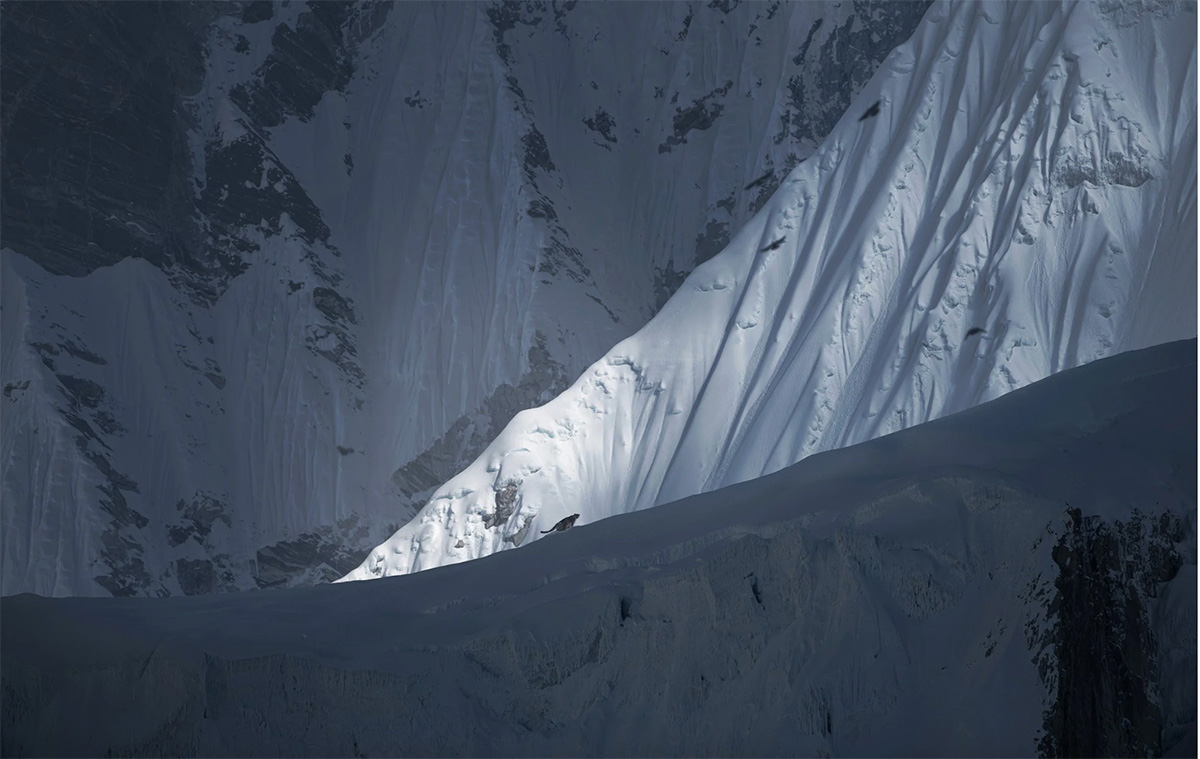
Kittiya Pawlowski presented the story of a daring solo expedition. She claimed she had walked over 160 km through Nepal, climbing near Gorak Shep (close to Everest), and had photographed snow leopards against breathtaking Himalayan backdrops.
Her published images showed big cats perched on snowy ridges, surrounded by vast peaks glowing in light — spectacular, almost cinematic scenes.
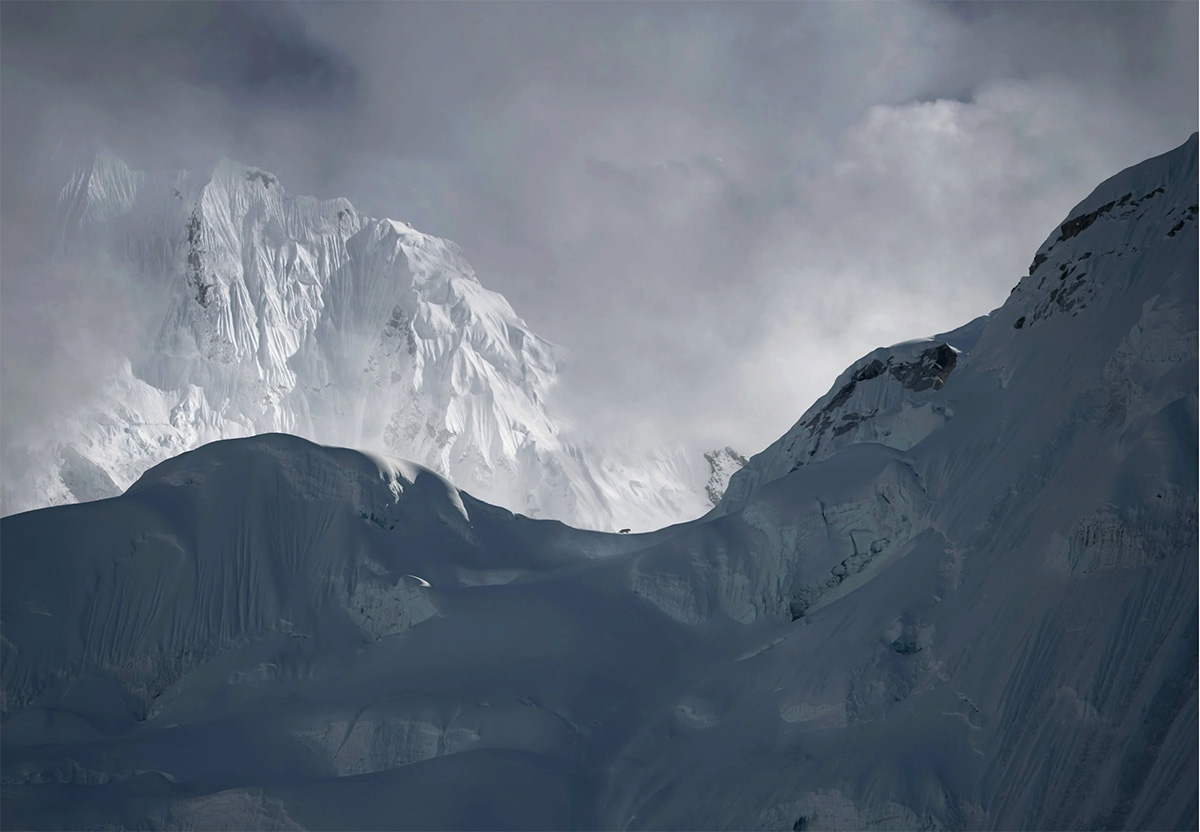
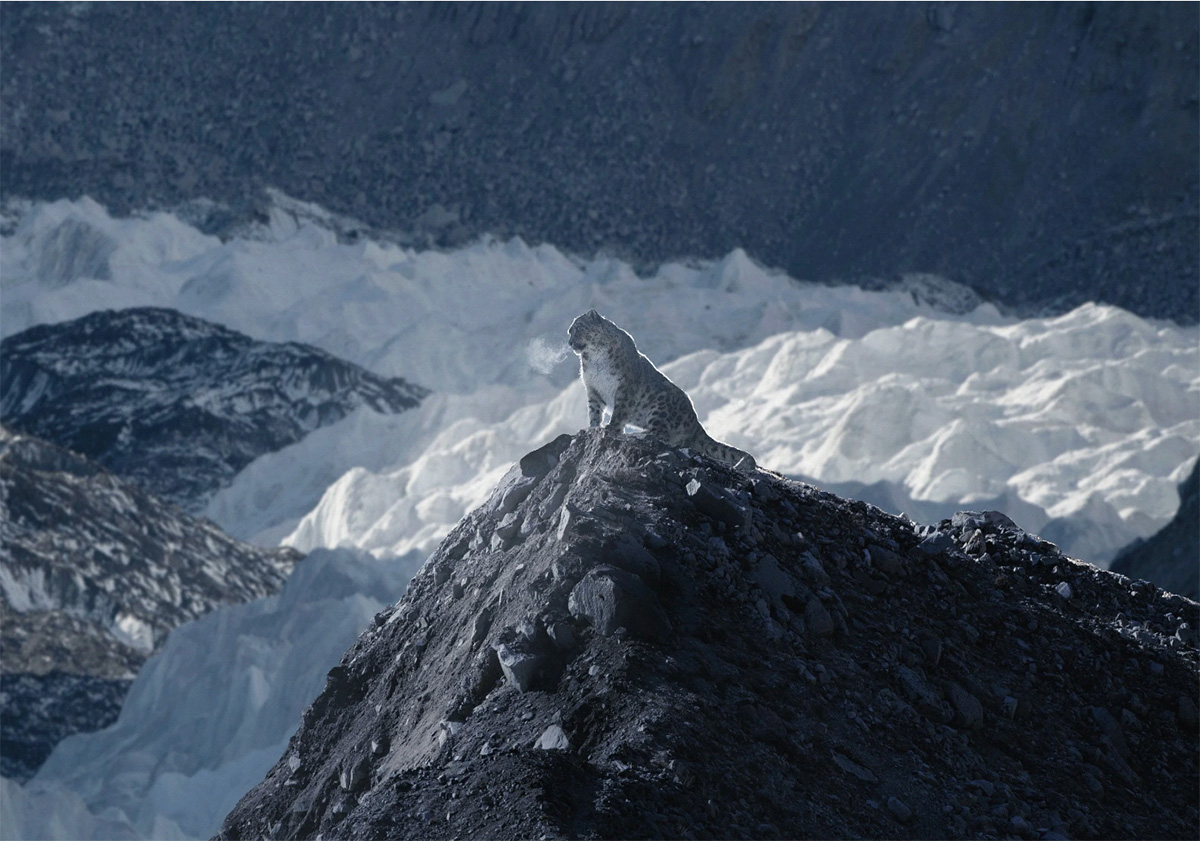
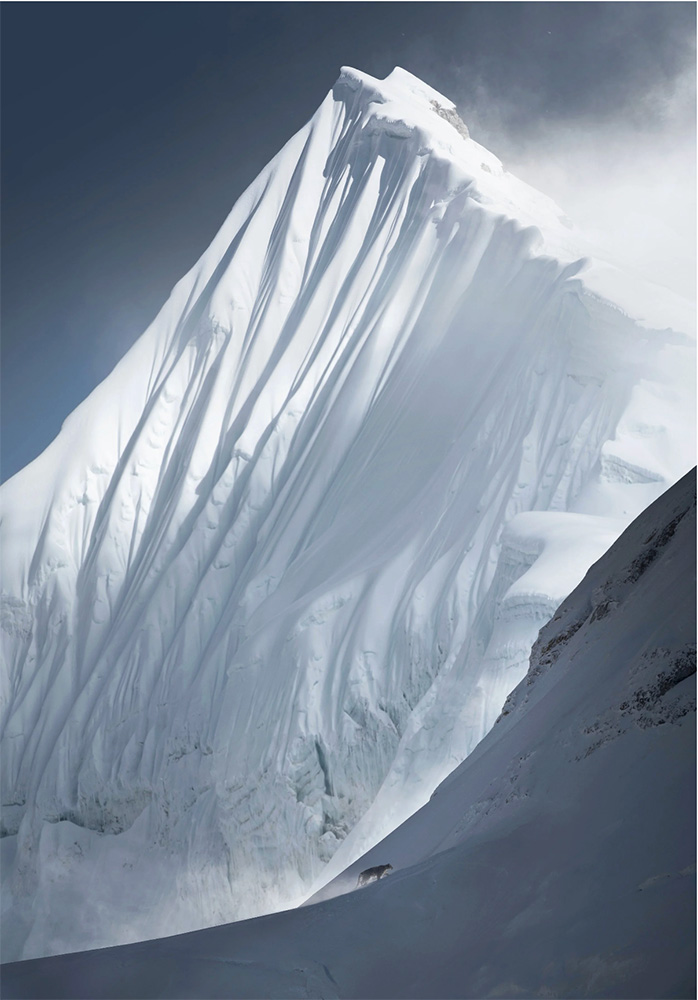
But experts quickly grew skeptical. Snow leopards are rarely seen on such exposed, wind-battered ridgelines. Seasoned wildlife photographers pointed out that the animals’ behaviour and the setting simply didn’t add up. The combination of altitude, composition, and posture seemed impossible.
Alpine Mag, a respected mountaineering and nature photography publication, launched an investigation. Their analysis of the lighting, depth, and mountain profiles revealed glaring inconsistencies. (full analysis here). At least three of the photographs, they concluded, were composites — pieced together from several sources with mismatched lighting and impossible perspectives.
The Exposure: Composites, No RAW Files, and Stolen Imagery
When the suspicions grew louder, Pawlowski was asked to provide her original RAW files. She refused. Eventually, she admitted that her snow leopard photographs were composites — each made from “two to four images.”
Her defence? That many photographers use composites, and she saw nothing wrong with it. Later, she quietly updated her website with a disclaimer: “All my images are edited and processed in Photoshop and Lightroom. Some images are composites, some are not.” She maintained that artistic freedom justified her approach and that she owed no apology.
But there was a much more serious twist. The snow leopard itself — the centrepiece of her most viral image — wasn’t hers at all. The cat was traced back to a photograph by French wildlife photographer Sylvain Cordier, taken years earlier in Mongolia. Pawlowski had used it, without permission or attribution, inserting it into a Himalayan landscape.
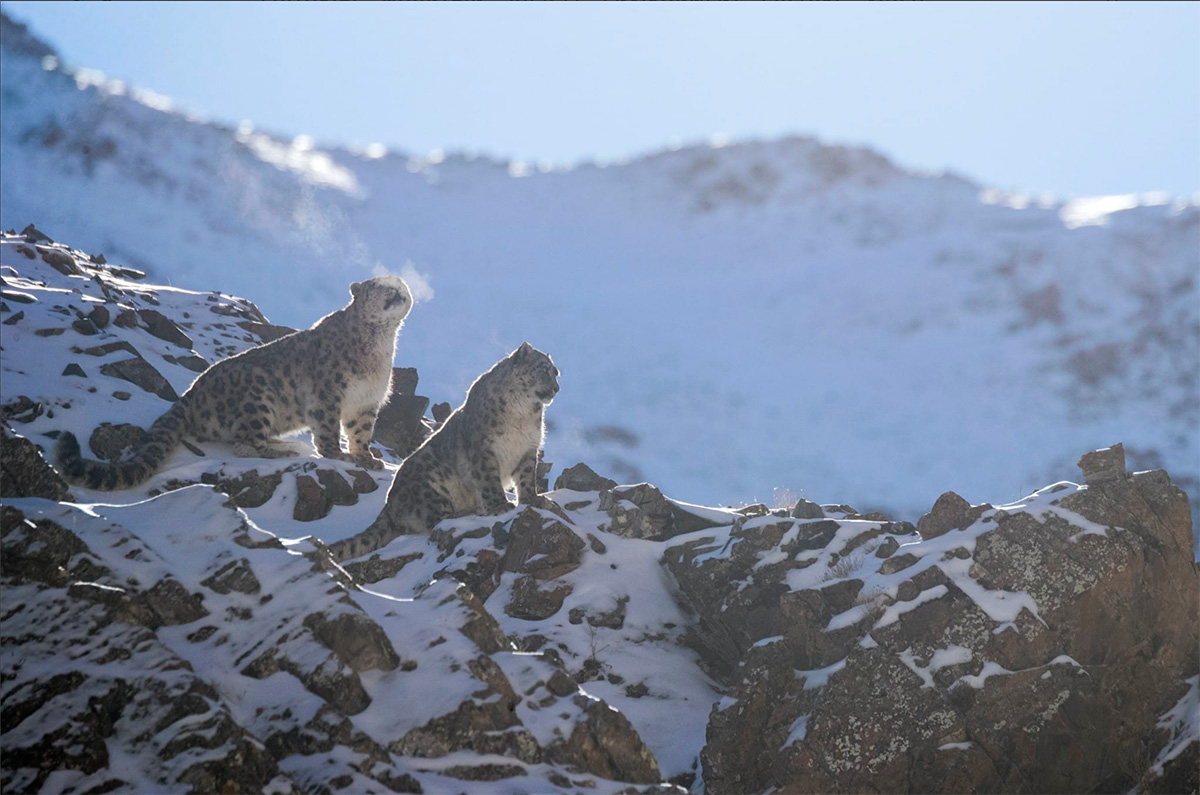
The original image of a snow leopards, taken by Sylvain Cordier.
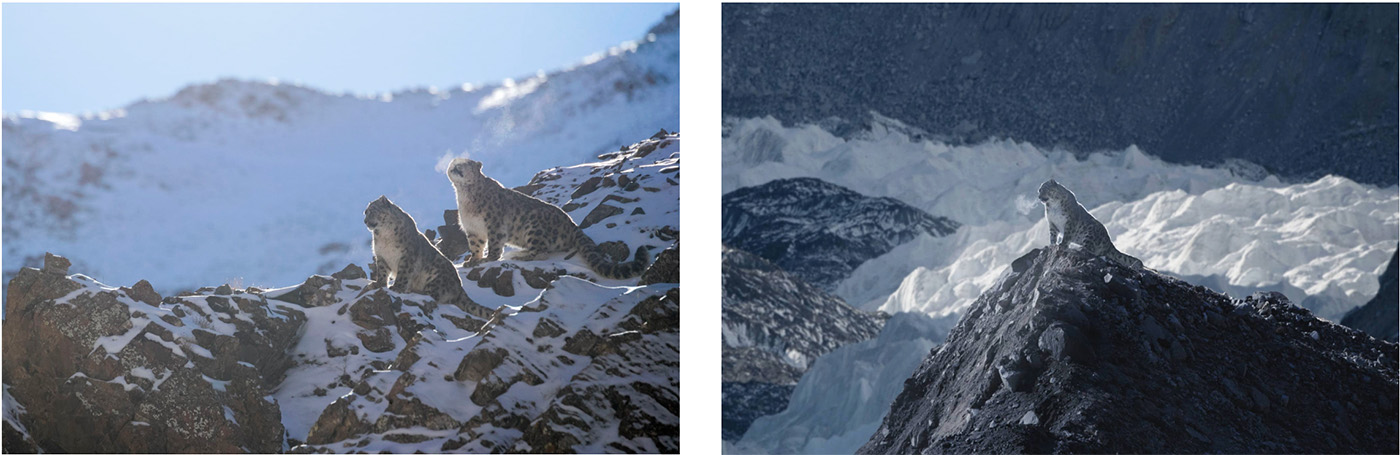
Left: Cordier’s original photo, flipped. Right: Pawlowski’s composite.
This was no longer a debate about artistic editing. It was image theft and deliberate fabrication, presented — or at least implied — as documentary wildlife photography.
As the investigation deepened, it turned out that this wasn’t Kittiya’s first act of deception. In 2020, she won the top prize in the Chromatic Awards “Culture” category for an image of a tree in Thailand that she apparently found on Shutterstock. In short, the snow leopard scandal wasn’t an isolated mistake — it was part of a pattern.
Why This Matters: Documentary vs. Artistic Responsibility
- Misleading science and public perception
Wildlife images are often referenced by scientists, conservationists, and journalists as visual evidence — of species range, altitude behaviour, or habitat conditions. Presenting a manipulated photo as fact risks misleading genuine research and conservation work. For a species as vulnerable as the snow leopard, such misinformation can skew data and waste effort. - The burden of proof
In serious wildlife or documentary photography, transparency is everything. If an image is a composite or heavily edited, the photographer must say so. - Artistic freedom vs. journalistic integrity
Fine-art photography welcomes imagination — composites, surreal scenes, fantasy landscapes. But when that work is presented (or understood) as documentary, honesty must prevail. You can be an artist or a reporter — but you must be clear which one you are. (That’s exactly why I dislike AI-generated images being passed off as “photography.”)
The Aftermath
When the truth emerged, Pawlowski began trying to erase her trail — removing the images. But the internet remembers, and for anyone working with images, the Pawlowski affair is a sharp reminder:
- Know your intention. If you’re creating art, don’t pretend you’re reporting.
- Be transparent. If it’s a composite, don’t pretend it’s not.
- Protect credibility. Once trust is lost, it’s hard to regain.
And this doesn’t apply only to snow leopards. It’s the same principle I follow when photographing horses for documentary purposes: I never alter a horse’s body in “sale” photos. I have a responsibility not only to the client, but to every potential buyer or breeder who deserves to see the animal truthfully.
I often perform heavy editing in my fine art images, so I always check very carefully the rules of competitions that I want to enter. I have won several international photo contests and – yes – after shortlisting, I have often been asked to provide RAWs (which I did). Even if the contests wasn’t documentary, I often had to prove that images were mine.
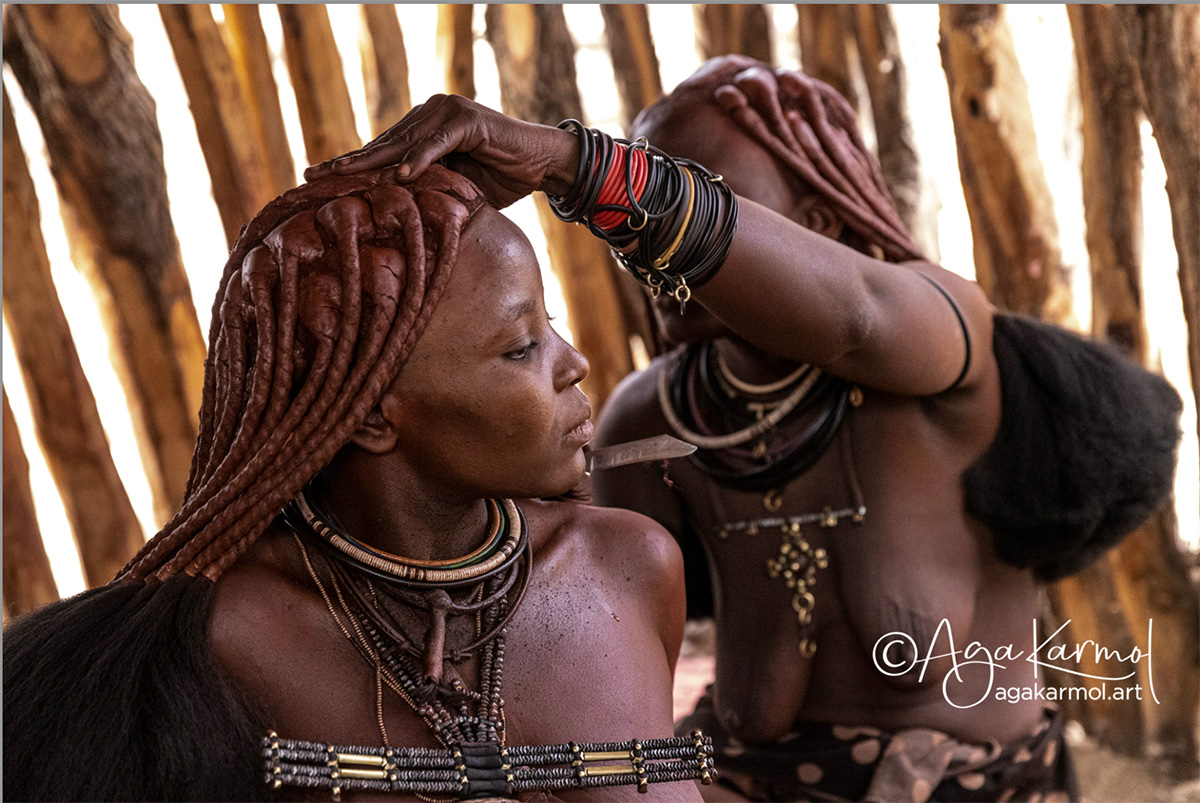
“Beauty Salon” – a platinium winner in three categories at European Photography Awards. I had to provide the RAW file after it being shortlisted and before being awarded.
The Unwritten Rules of Documentary Photography
If you’re unsure what’s acceptable in DOCUMENTARY or reportage work, look at the rules of Wildlife Photographer of the Year contest. It’s a competition built entirely on documentary integrity. You can adjust contrast, white balance, you can crop; you can remove sensor dust.
But you cannot move, remove, or add even a single pixel that changes the content of the image.
That’s the standard upheld by most photo agencies and editorial outlets worldwide — because truth in documentary still matters.
You wouldn’t want to end up like Pawlowski, would you?
If you enjoyed this article, learned something new, or it simply sparked a bit of curiosity — you’re welcome to buy me a coffee.
I’ll happily sip it while writing the next piece to share with you.

Sources and further reading:
https://petapixel.com/2022/11/28/photographer-admits-that-viral-snow-leopard-photos-were-fake/
https://alpinemag.com/fake-snow-leopard-photomontage-spread-around-world-kittiya-pawlowski/
Images:
Images in this post are reproduced under fair use principles, solely for educational, illustrative, and commentary purposes.: https://www.pixsy.com/image-licensing/fair-use-fair-dealing